Water extraction and damage control
Emergency Water Damage Mitigation
Water spreading across a floor, leaking through a ceiling or soaking into a wall needs a clear first response. SoCal Restoration Builders helps you take the next step toward water damage mitigation in Southern California. Tell us what happened, which rooms are affected and whether the source is still active. The initial assessment separates immediate damage control from the later rebuilding scope, so you can understand what needs attention now and what happens after drying. Call (888) 768-5252 to discuss your property.
Start with the source and the immediate hazards
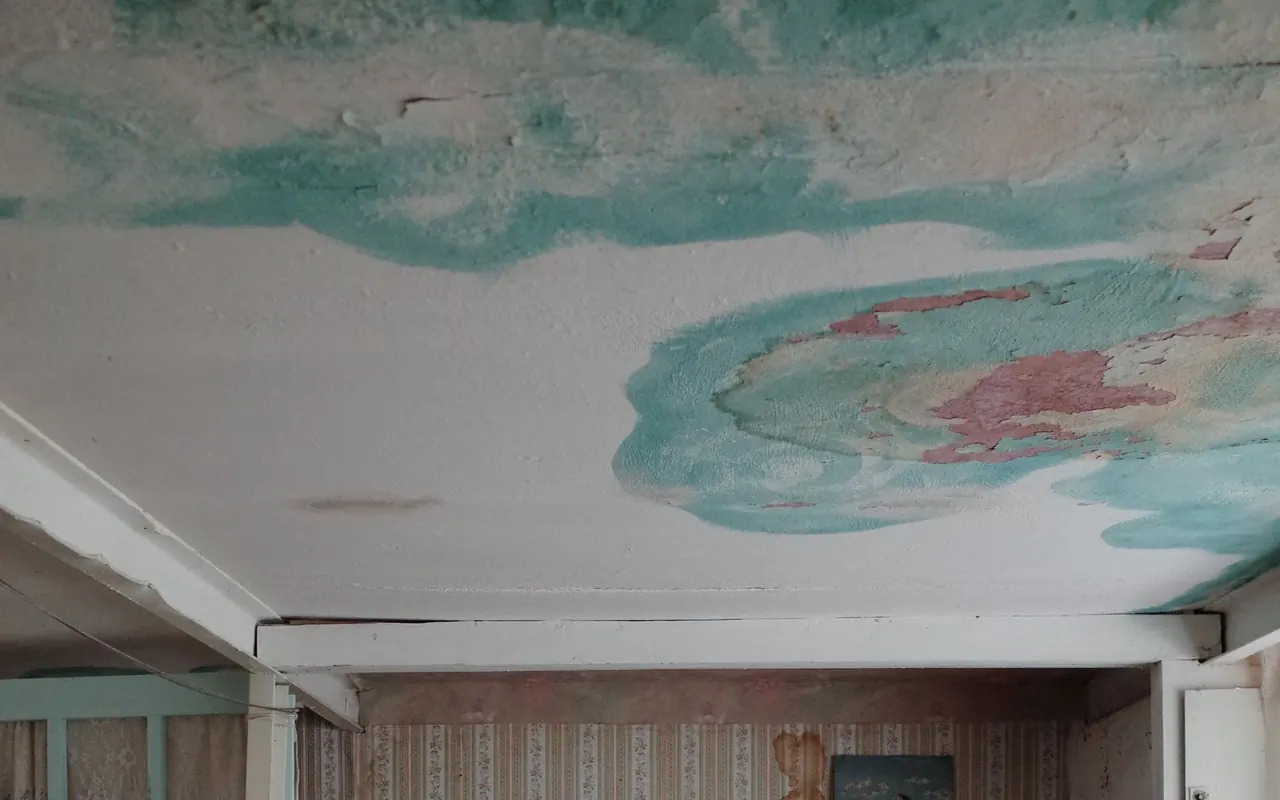
A burst supply pipe, overflowing appliance and storm intrusion can leave similar wet surfaces but require different responses. The assessment begins with the source, the affected areas and the conditions around them. Water near electrical equipment, a sagging ceiling or suspected sewage changes how the area should be approached. Keep people away from those hazards. Do not enter standing water to reach an electrical panel or operate an appliance. If an accessible water shutoff can be reached safely, closing it may limit an active plumbing leak. Source repair and mitigation should be described separately in the work authorization.
Water extraction and moisture assessment
Removing visible water is one part of mitigation. Moisture can also remain in carpet padding, wall cavities, flooring layers and adjoining rooms. An assessment should record the visible damage and check materials beyond the obvious wet spot. Moisture measurements help establish affected areas and guide the drying approach; an infrared image can indicate temperature differences but does not prove moisture by itself. The proposed scope should explain extraction, access openings, material removal and protection of belongings. Whether a material can remain depends on its condition, the water involved and whether it can be appropriately cleaned and dried.
Drying requires monitoring and adjustment
A drying plan coordinates airflow, dehumidification, room conditions and access to affected materials. Equipment placement should follow the assessment rather than a fixed number of machines for every room. Subsequent measurements show whether materials are progressing toward the project's drying goals and whether the approach needs to change. Some assemblies need selective openings or removal before moisture can be addressed. Suspected contamination or mold also changes the handling plan. Equipment removal should follow documented conditions, not simply the number of days it has operated. Drying work does not by itself repair the source or replace damaged finishes.
Know what comes after mitigation
Before work begins, ask for a written description of the authorized areas, proposed services, documentation and charges. Photos, moisture records and material findings help connect the initial damage assessment with the repair scope. Contents handling, plumbing repairs, mold work and reconstruction may involve separate authorizations or specialists. If you are making an insurance claim, your insurer determines coverage and payment under your policy; a contractor cannot guarantee approval. Once the mitigation phase is complete, review the remaining building damage and any required inspections before approving replacement insulation, drywall, cabinetry or flooring.
Questions before you begin
What should I do while water is still leaking?+
Keep away from electrical hazards and unstable ceilings. If a plumbing shutoff is accessible from a safe location, close it. Do not walk through standing water to reach a panel. Call (888) 768-5252 with your address and the conditions you can observe safely.
Is mitigation the same as rebuilding?+
Mitigation limits continuing damage through assessment, extraction, appropriate material handling and drying. Reconstruction replaces or repairs damaged building components afterward. Each phase should have a clear scope and authorization.
How long will drying take?+
The answer depends on the affected materials, moisture levels, access, water conditions and building environment. A site assessment and follow-up measurements provide a more useful estimate than a promised fixed drying time.
Will insurance cover the work?+
Coverage depends on the policy, cause of the loss and your insurer's review. Keep photos and relevant records, and ask your adjuster about covered services, deductibles and authorization requirements. Do not assume that mitigation authorization also approves reconstruction.
EXPLORE YOUR OPTIONS
Related services & planning
01
Structural Drying and Mold Remediation
Discuss structural drying and mold remediation in Southern California. Review moisture sources, affected materials, containment and rebuilding readiness.
02
Leak Detection and Plumbing Repairs
Discuss water leak detection and plumbing repairs in Southern California. Review symptoms, investigation, repair options and related water damage work.
03
Water Damage Restoration and Complete Reconstruction
Plan water damage restoration and reconstruction in Southern California. Review mitigation, rebuilding scope, material choices, permits and repair handoffs.
YOUR NEXT STEP
Let’s talk about your property.
Share your location, project goals, or what happened. We’ll discuss the next practical step for your remodeling or restoration needs.