
Moisture control and careful material handling
Structural Drying and Mold Remediation
A surface can look dry while moisture remains within the building assembly. Visible mold or a persistent musty odor adds another issue that needs its own assessment. SoCal Restoration Builders helps you plan structural drying and mold remediation as distinct parts of property recovery. Drying addresses excess moisture in materials; remediation addresses mold-affected conditions and the handling of those materials. Both depend on correcting the moisture source. Call (888) 768-5252 to discuss the affected rooms, observed conditions and the next steps for your property.
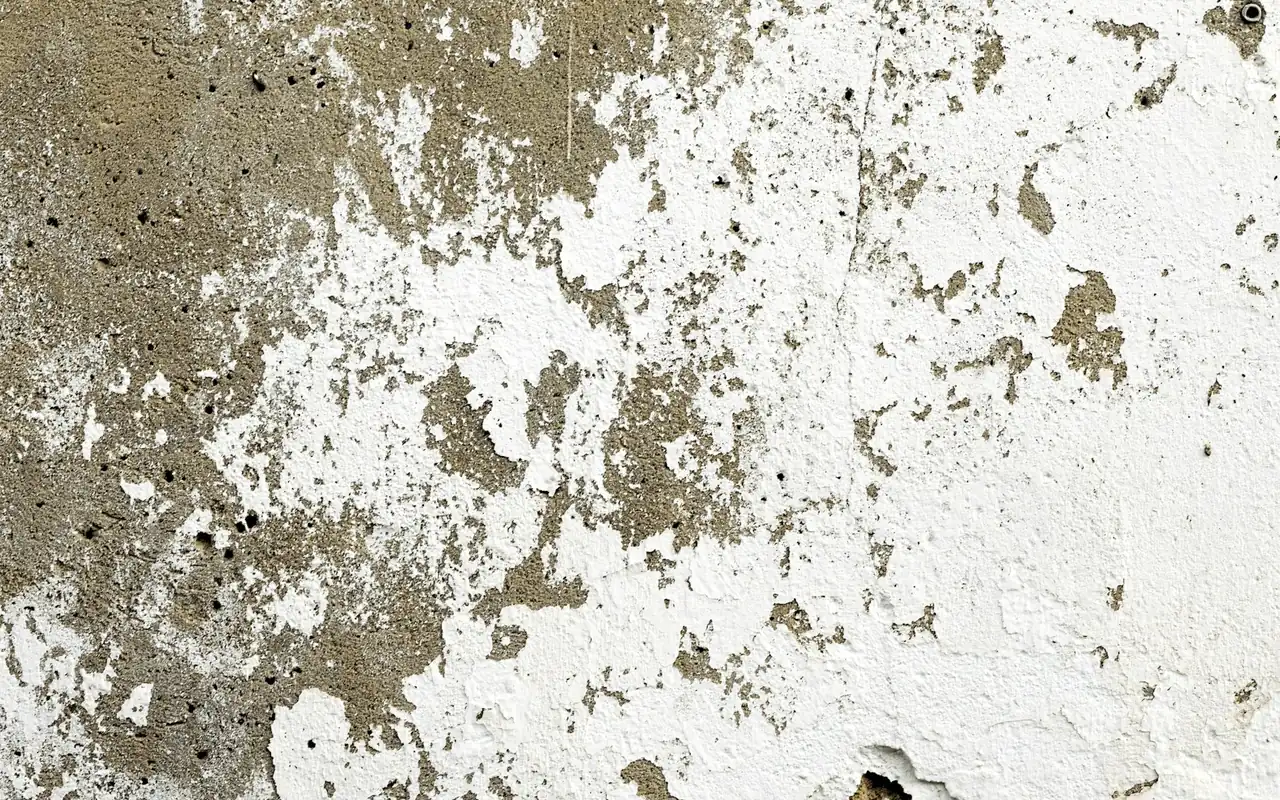
Find and correct the moisture problem
Leaks, water intrusion, condensation and ventilation problems can all contribute to damp materials. A moisture assessment should consider the source, affected assemblies and whether the condition is continuing. Repairing or controlling the source is necessary for a lasting plan; cleaning a visible patch alone does not address recurring moisture. The assessment should also identify access limitations and materials needing further investigation. If mold is suspected behind a wall or within an HVAC system, avoid disturbing it casually. The handling approach and need for a qualified specialist should be established before opening or moving affected materials.
Document the structural drying plan
Structural drying concerns the building's materials, including framing, subfloors and accessible wall or ceiling assemblies. Moisture readings and room conditions guide equipment selection, placement and adjustment. A material that cannot be appropriately cleaned, dried or retained may require removal instead. The plan should record drying goals appropriate to the assembly and show the progress of affected areas. An apparently dry paint surface is not a completion test for a concealed assembly. Before replacement finishes are installed, review the documented condition of retained materials and any remaining source or access concerns that could affect the repair.
Separate mold handling from ordinary dry-out
Mold remediation may involve controlled work areas, suitable personal protection, removal of affected porous materials and cleaning of materials that can be retained. The extent and method depend on the conditions and written remediation plan. Running fans across disturbed mold without assessing the situation can spread contamination. Painting over mold or applying a product alone is not a substitute for addressing affected materials and moisture. Some jobs need specialist assessment or independent verification; those responsibilities should be named in the scope. Drying reduces moisture but does not, on its own, establish that mold remediation is complete.
Agree on the completion criteria before rebuilding
The proposed work should explain what areas are included, how progress is recorded and which conditions must be met before repairs proceed. Review moisture-source correction, material condition, cleanup and any project-specific verification requirements. Where independent assessment or sampling is specified, identify who performs it and how results affect the next phase. No contractor should promise that a home will contain zero mold spores; mold exists in the wider environment. The practical goal is to address the affected condition and moisture problem, with clear documentation for the repair handoff. Health or exposure concerns belong with a healthcare professional.
Questions before you begin
Is structural drying the same as mold remediation?+
No. Structural drying addresses excess moisture in building materials. Mold remediation addresses affected materials and contamination control. A property may need one service or both, and the moisture source must also be addressed.
Can mold be fixed by painting over it?+
Painting over an affected surface does not correct the moisture source or remove the underlying problem. Evaluate the material, address the cause and complete appropriate remediation before refinishing.
Does every mold project need air testing?+
No universal testing plan fits every project. Visible conditions, the building situation and the remediation or independent assessor's scope determine what investigation or verification is appropriate. Testing does not replace source correction and material assessment.
When can walls or floors be closed up?+
After the relevant drying and remediation completion criteria, inspections and other project requirements have been met. Review documented retained-material conditions and the repair plan before concealing the assembly.
EXPLORE YOUR OPTIONS
Related services & planning
01
Emergency Water Damage Mitigation
Request water damage mitigation in Southern California. Discuss water extraction, moisture assessment, drying and the next steps for your property.
02
Leak Detection and Plumbing Repairs
Discuss water leak detection and plumbing repairs in Southern California. Review symptoms, investigation, repair options and related water damage work.
03
Water Damage Restoration and Complete Reconstruction
Plan water damage restoration and reconstruction in Southern California. Review mitigation, rebuilding scope, material choices, permits and repair handoffs.
YOUR NEXT STEP
Let’s talk about your property.
Share your location, project goals, or what happened. We’ll discuss the next practical step for your remodeling or restoration needs.