
From damage assessment to building repairs
Water Damage Restoration and Complete Reconstruction
Water damage recovery can involve several decisions: stopping the source, addressing wet materials, protecting belongings and replacing damaged building components. SoCal Restoration Builders helps you organize those steps into a clear restoration and reconstruction plan. A repair proposal should explain where mitigation ends, what must be verified before rebuilding and which finishes will be restored or changed. Whether the damage affects a single room or several areas, start with the conditions and a written scope. Call (888) 768-5252 to discuss your property's recovery.
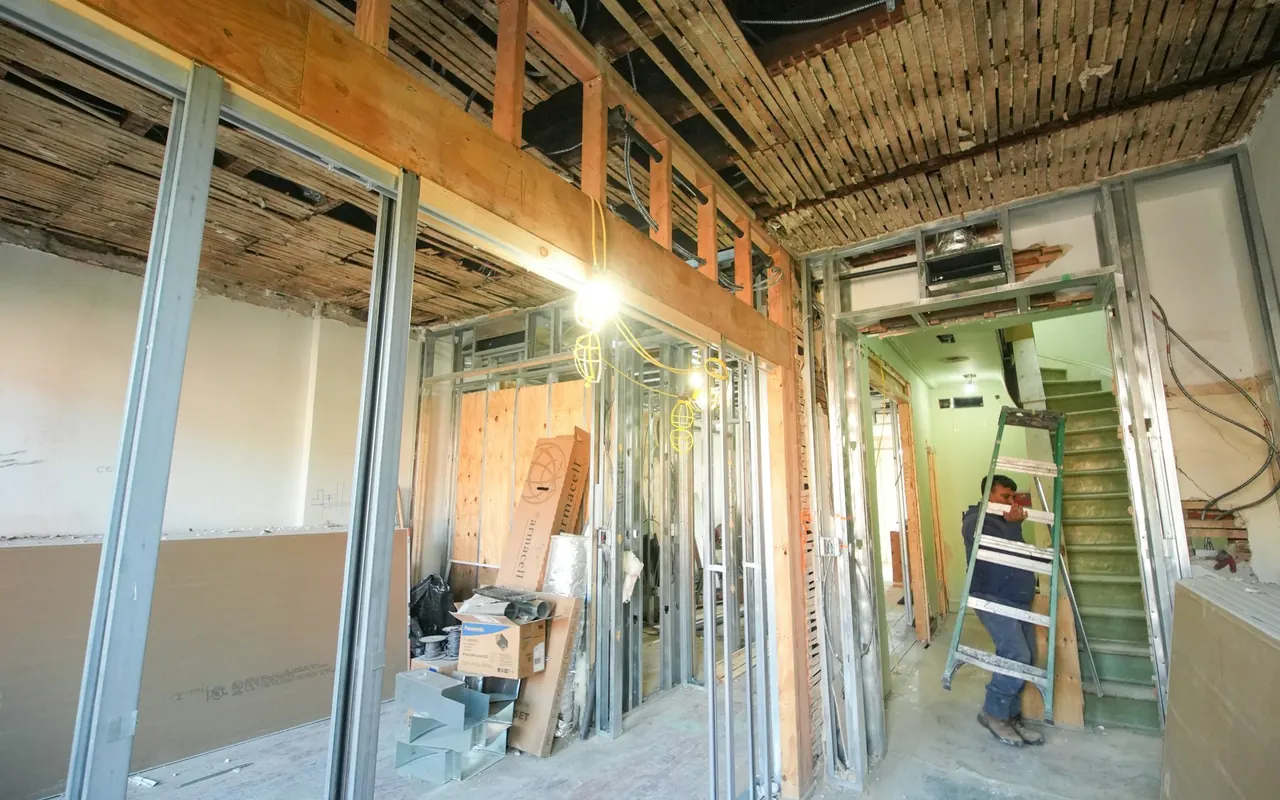
A phased plan for property recovery
Mitigation focuses on limiting ongoing damage through source coordination, extraction, appropriate material handling and drying. Contents work concerns the belongings in the affected rooms. Mold remediation, when required, addresses a separate affected condition. Reconstruction repairs or replaces building components after the preceding requirements have been met. Keeping these phases visible helps owners understand authorizations, charges and handoffs. The assessment should distinguish the damaged areas from optional remodeling work. If several contractors or specialists are involved, identify who is responsible for each phase and what information must be passed forward before the next work begins.
Define the reconstruction scope room by room
A rebuilding scope may include insulation, drywall, trim, paint, flooring, cabinetry and related trade work, depending on the damage and authorization. Each affected room should identify retained materials, replacement areas and the finish level expected at completion. Matching an older texture, discontinued flooring or aged cabinet finish can create practical limitations that should be discussed before selections are approved. Structural damage or changed layouts may require additional design and engineering. The proposal should identify demolition, disposal, protective measures, patching and excluded items, so the owner can evaluate the whole repair rather than a single vague rebuilding allowance.
Coordinate materials, permits and inspections
Material selections, concealed damage, trade coordination and jurisdiction review all affect the sequence of reconstruction. Permit requirements depend on the actual work and property location; required inspections must be planned before work is concealed. Confirm who supplies drawings, obtains permits and arranges inspection access. Changing a layout or selecting upgrades can alter both the scope and the approval process. Discuss lead times for replacement finishes and how unavailable materials will be handled. A realistic schedule should reflect those dependencies and documented drying or remediation readiness, rather than begin with a universal completion promise for every water loss.
Keep documentation and change decisions clear
Photos, mitigation records, written repair scopes and selection approvals give the project a consistent record. If hidden damage is discovered during rebuilding, document it and review the proposed change before added work proceeds under the agreed authorization process. Separate restoration of damaged components from owner-requested improvements so each decision is visible. Your insurer determines claim coverage, limits and payment; project documentation supports review but does not guarantee reimbursement. At completion, review the agreed work, inspection status, remaining items and care information for installed products. A clear closeout helps you understand both the finished repairs and any outstanding responsibilities.
Questions before you begin
Can reconstruction start immediately after water extraction?+
Extraction alone does not establish rebuilding readiness. Affected retained materials, source correction, drying, remediation where needed and required inspections must be reviewed before replacement work or concealment proceeds.
Can I upgrade my kitchen or bathroom during repairs?+
Yes, project planning can compare repair work with owner-requested upgrades. Keep the upgrade scope and pricing separate, and check whether changed layouts or systems introduce additional permit and design requirements.
Will new flooring match the existing flooring?+
An exact match may not be available because of age, wear, product discontinuation or dye-lot differences. Discuss samples, transition locations and the agreed replacement area before purchasing materials.
How do I get a useful repair estimate?+
Provide the property address, affected rooms, damage photos taken safely and any available mitigation records. A site assessment can then define replacement areas, selections, trade work, permits and exclusions in a written proposal.
EXPLORE YOUR OPTIONS
Related services & planning
01
Emergency Water Damage Mitigation
Request water damage mitigation in Southern California. Discuss water extraction, moisture assessment, drying and the next steps for your property.
02
Contents Pack Out and Storage
Plan contents pack out and storage during Southern California property repairs. Review inventory, packing, storage arrangements and return of belongings.
03
Structural Drying and Mold Remediation
Discuss structural drying and mold remediation in Southern California. Review moisture sources, affected materials, containment and rebuilding readiness.
04
Kitchen Remodeling
Plan a kitchen remodel with SoCal Restoration Builders. Explore layouts, cabinets, countertops and construction across four Southern California counties.
05
Bathroom Remodeling
Explore bathroom remodeling, walk-in showers and tub conversions with SoCal Restoration Builders. Request a Southern California project consultation.
YOUR NEXT STEP
Let’s talk about your property.
Share your location, project goals, or what happened. We’ll discuss the next practical step for your remodeling or restoration needs.